

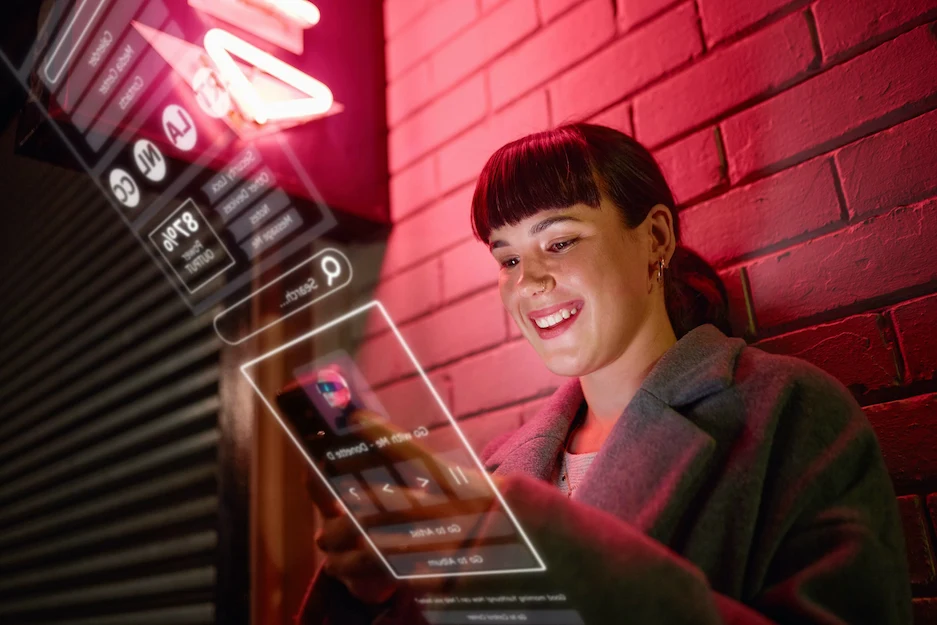
Picture this. You’re scrolling through Instagram, and you stumble upon a stunning fashion influencer posting daily content from exotic locations. Perfect lighting. Flawless poses. Consistent engagement. Then you realize—she’s not real. She’s an AI influencer earning over eleven thousand dollars per month.
Welcome to 2026, where creating your own AI influencer isn’t science fiction anymore. It’s a legitimate business model that’s transforming the creator economy. And the best part? You don’t need a Hollywood budget or technical wizardry to get started.
If you’ve ever wondered how those hyper-realistic virtual personalities are built from the ground up, you’re in the right place. This guide walks you through everything—from choosing the right tools to monetizing your digital creation—all explained like we’re chatting over coffee, not reading a technical manual.
Why AI Influencers Are Exploding in 2026
Let’s get real for a second. The virtual influencer industry is projected to capture a significant chunk of the $500 billion creator economy by 2027. We’re seeing a genuine shift in how brands approach influencer marketing, and the numbers tell the story.
Take Aitana Lopez, Spain’s most popular AI model. She pulls in anywhere from three thousand to eleven thousand euros monthly through brand collaborations alone. Or look at Lil Miquela, the OG virtual influencer with 2.4 million Instagram followers, charging ten grand per sponsored post and working with Prada, Calvin Klein, and Samsung.
Here’s what makes AI influencers so attractive in 2026:
They’re always available. No scheduling conflicts, no flight delays, no last-minute cancellations. Your AI influencer can “shoot” content at three in the morning if that’s when inspiration strikes.
They’re cost-effective at scale. Once you’ve created your character, generating new content costs a fraction of traditional photoshoots. No models, no photographers, no location rentals.
They’re brand-safe. Human influencers can have off days or controversies that damage brand partnerships. AI influencers stay on message, every single time.
They scale effortlessly. Want to test five different campaign angles simultaneously? Your AI influencer can do that. Want to create content in multiple languages? Done.
But here’s the thing nobody talks about. Creating an AI influencer that actually connects with people requires more than just fancy technology. You need to understand storytelling, audience psychology, and platform algorithms. That’s what separates the AI influencers earning thousands monthly from the ones collecting dust with fifty followers.
Choosing Your AI Influencer’s Niche and Persona
Before you touch a single AI tool, you need to answer one critical question. Who is your AI influencer, and why should anyone care?
This isn’t about picking a random niche. It’s about finding the intersection between what audiences want, what brands need, and what you can consistently create. Think about the most successful AI influencers in 2026. They all have one thing in common—a crystal-clear identity.
The niche determines everything that follows. Your content style. Your monetization strategy. Your growth tactics. Even the AI tools you’ll use.
Fashion and lifestyle remain the dominant niches. Brands spend massive budgets on visual content, and AI influencers excel at delivering polished, consistent aesthetics. But don’t sleep on emerging opportunities. Eco-friendly fashion. Tech reviews. Wellness and mindfulness. Gaming culture. These niches are hungry for authentic voices, and an AI influencer with the right positioning can carve out serious space.
Building the backstory matters more than you think. Your audience might know she’s AI, but they still need to connect emotionally. Where does your influencer “live”? What are her values? What does she stand for? The Barcelona agency behind Aitana Lopez didn’t just generate a pretty face. They crafted an entire persona—her interests, her style, her vibe.
Here’s a practical framework. Ask yourself these questions:
What problem does my AI influencer solve for the audience? Is she inspiring outfit ideas? Simplifying tech concepts? Showcasing travel destinations?
What makes her different from the thousand other accounts in this space? Maybe it’s her unique aesthetic. Or her specific take on sustainable fashion. Or how she breaks down complex topics.
Who’s the target audience, specifically? Don’t say “everyone interested in fashion.” Get granular. Women aged 22-35 who love minimalist style and can’t afford luxury brands. That specificity informs every content decision.
Start with one niche and own it. You can always expand later. But trying to be everything to everyone is the fastest way to become invisible on social media.
The Essential AI Tools You Need in 2026
Alright, let’s talk tools. The AI landscape has exploded over the past couple of years, and honestly, it can feel overwhelming. But here’s the good news. You don’t need a subscription to every platform out there. You need the right combination of tools that work together.
For generating your AI influencer’s face and images, you have solid options:
Fooocus Stable Diffusion XL is the go-to free option for creators starting out. It’s basically a free Midjourney alternative that runs on your computer. You’ll need decent hardware—at minimum, a 4GB NVIDIA GPU—but cloud GPU services can solve that if your laptop isn’t beefy enough. The interface is surprisingly user-friendly, and it includes a built-in GPT engine that expands your prompts automatically. For creating realistic portraits and maintaining consistency, it’s unbeatable at the zero-dollar price point.
RenderNet takes things up a notch with its FaceLock feature. This is the secret sauce that lets you generate different images while keeping the same face. You upload a reference photo, and the AI maintains that facial structure across entirely new poses, outfits, and settings. It’s web-based, so no installation headaches, and the learning curve is gentle. Many creators use RenderNet specifically for creating content variations once they’ve nailed their character design.
Influencer Studio is the all-in-one platform for serious creators. It handles character generation, LoRA training, image creation, video generation, and even automated posting workflows. Think of it as your complete virtual influencer factory. It’s not free, but the time savings and professional results often justify the cost for creators treating this like a real business.
Pykaso AI and OpenArt are solid middle-ground options. They both support custom character training and offer features specifically designed for AI influencer creation—face swapping, upscaling, and consistency tools.
For video content, which is absolutely crucial in 2026:
HeyGen dominates the talking avatar space. You record yourself speaking for about two minutes, and the AI creates a digital twin that can speak any script in your likeness. Brands use this for creating AI spokesperson videos at scale. The lip-sync accuracy is genuinely impressive, and you can generate content in 120-plus languages.
Creatify specializes in UGC-style content and social media videos. It’s perfect for creating those authentic-feeling product demos and testimonials that perform well on TikTok and Instagram Reels.
The character consistency challenge, and how to solve it:
This is where ninety-nine percent of people give up. You generate a gorgeous AI influencer photo, then try to create more content, and suddenly she looks like a completely different person. Frustrating doesn’t even cover it.
The solution is LoRA training. LoRA stands for Low-Rank Adaptation, and it’s basically teaching an AI model to recognize and replicate your specific character. You need between five and fifty high-quality images of your AI influencer from different angles, with various expressions and lighting conditions.
Here’s what makes a good training dataset. Include front-facing shots, three-quarter views, and side profiles. Mix up the expressions—neutral, smiling, serious. Vary the lighting conditions. The more diverse your training images, the more flexible your final model becomes.
Training takes anywhere from a few minutes to a couple of hours depending on your dataset size and the platform you’re using. But once it’s done, you have a custom model that generates your AI influencer consistently across unlimited scenarios.
Recent developments in 2026 have made this easier. Tools like Nano Banana offer zero-shot consistency, meaning you can maintain character consistency with just three to five reference images without traditional LoRA training. The technology keeps getting better.
Don’t forget the supporting tools:
Magnific or Freepik for upscaling images to professional quality. Nobody wants grainy, pixelated influencer content.
Canva or Photoshop for final touches, text overlays, and creating Instagram story templates.
Scheduling tools like Later or Buffer for consistent posting. The Instagram algorithm rewards reliability.
Step-by-Step: Creating Your AI Influencer From Scratch
Now we get to the fun part. Let’s build your AI influencer from the ground up. I’m going to assume you’ve chosen your niche and you’re using a combination of free and affordable tools. Adjust based on your specific situation.
Step One: Generate Your Base Character
Open Fooocus Stable Diffusion XL in realistic mode. This preset optimizes the settings for photorealistic portraits automatically.
Craft your first prompt. Be specific but let the AI interpret creatively. Something like: “Young woman with long dark hair, green eyes, natural makeup, wearing casual streetwear, outdoor lighting, professional photography.”
Hit generate and see what comes back. You’ll probably create ten to twenty variations before you land on “the one.” Look for a face that feels unique but relatable. Avoid anything that looks too perfect—slight asymmetries and natural features help with authenticity.
Once you have your base image, save multiple versions. You’ll need these for training.
Step Two: Build Your Training Dataset
Now generate fifteen to thirty additional images of your chosen character using the ImagePrompt feature. Load your base image as a reference, then create variations:
Different outfits. Casual, formal, athletic, trendy.
Different locations. Urban backgrounds, natural settings, indoor spaces.
Different expressions. Smiling, serious, laughing, contemplative.
Different angles. Straight-on, slight angles, over-the-shoulder shots.
The goal isn’t perfection on every single image. You’re teaching the AI what makes your character recognizable—her facial structure, her general vibe, her aesthetic.
Step Three: Train Your Character Model
Upload your training dataset to your chosen platform. If you’re using Pykaso AI or Influencer Studio, follow their LoRA training workflow. Key settings to pay attention to:
Network dimensions typically between 32 and 64 for character models.
Training steps between 1,500 and 4,500 depending on dataset size.
Learning rate around 0.0001 to 0.0002.
Don’t stress too much about getting these perfect. Most platforms have preset recommendations based on your dataset size.
Training completes in anywhere from ten minutes to a few hours. You’ll receive a custom model file that you can now use to generate unlimited content featuring your AI influencer.
Step Four: Create Your Content Library
Before launching publicly, build a content bank of thirty to fifty images. This gives you runway to post consistently while you refine your workflow.
Use your trained model to generate:
Hero images for your Instagram feed. These are your best, most visually striking shots.
Story content. More casual, behind-the-scenes style images.
Carousel post images. Multiple angles or outfit variations that tell a story.
Promotional content. Product placements, brand-friendly scenarios.
Pay attention to variety. Different locations, different outfits, different moods. Consistency is about the character, not making every post look identical.
Step Five: Build Your Social Media Presence
Instagram remains the primary platform for AI influencers in 2026, though TikTok is rapidly growing. Start with one platform and expand once you’ve found your rhythm.
Your bio needs to be crystal clear. Many successful AI influencers explicitly state they’re AI-generated—transparency builds trust. Something like: “Your AI friend exploring sustainable fashion ✨ | Digital creator | Partnering with conscious brands.”
Your first nine posts create your visual identity. Treat your Instagram grid like a portfolio. Make sure these posts showcase your niche, your aesthetic, and your unique point of view.
Don’t launch and then post randomly. You need a content calendar. In 2026, Instagram rewards consistent posting. Aim for three to seven posts per week, with daily Instagram Stories.
Step Six: Master the Reels Algorithm
Here’s where most AI influencers fail. They focus on pretty feed posts and wonder why growth is slow. The reality? Reels dominate Instagram in 2026, delivering 3.5 times the reach of other content formats.
Your Reels strategy needs to be aggressive. Post at least four to seven Reels weekly, ideally daily if you can maintain quality.
The algorithm prioritizes specific signals. Watch time is king. If viewers watch your entire Reel and then replay it, Instagram amplifies your content massively. Aim for seven to twelve-second Reels—short enough that people watch completely.
Hook them in three seconds or you’ve lost them. Start with movement, an interesting visual, or text that creates curiosity.
Use trending audio, but make it relevant. Don’t force a trend that doesn’t fit your niche just because it’s popular.
Encourage shares and saves. These are the highest-value engagement signals in the current algorithm. Create content that people want to send to friends or reference later.
Step Seven: Grow Your Audience From Zero
Starting with zero followers feels demoralizing. But every successful AI influencer started exactly where you are.
Collaboration is your secret weapon. Instagram’s Collab feature lets you co-post content with other accounts. Find micro-influencers in your niche—accounts with five thousand to fifty thousand followers—and propose collaborations. Maybe you feature their products, or you create complementary content. When you publish a collab post, it appears on both profiles, instantly doubling your exposure.
Cross-post to Threads. This newer platform is hungry for content, and early adopters are seeing serious growth. Your Instagram content can easily adapt for Threads, creating a beneficial feedback loop.
Engage authentically in your niche. Comment thoughtfully on bigger accounts’ posts. Reply to DMs personally. Join conversations in your niche’s community. The algorithm notices when your account actively participates, and engagement begets more engagement.
Use hashtags strategically, not desperately. Five to ten relevant, specific hashtags outperform thirty random ones. Mix popular hashtags with niche-specific ones where you can actually rank.
Step Eight: Monetization Strategy
Here’s the truth. You don’t need a million followers to start making money. Micro-AI influencers with ten to fifty thousand engaged followers can earn meaningful income.
Brand partnerships and sponsored content remain the primary revenue stream. Even newer AI influencers can secure deals worth eight thousand to fifteen thousand dollars once they demonstrate consistent engagement. Brands value predictability, and AI influencers deliver that in spades.
Start reaching out to brands once you hit five thousand followers and maintain a three percent engagement rate. Create a media kit showcasing your audience demographics, your content style, and your value proposition. Many brands are actively seeking AI influencer partnerships in 2026.
Affiliate marketing provides passive income. Sign up for affiliate programs relevant to your niche—fashion brands, tech products, lifestyle services. Create content featuring these products naturally, and include affiliate links in your bio and stories. With ten thousand followers and a five percent engagement rate, converting just three percent of link clicks into sales can generate four hundred to six hundred dollars monthly.
Subscription platforms like Patreon or creator-focused sites offer recurring revenue. Offer exclusive content, behind-the-scenes creation process, or early access to your posts. Even fifty subscribers at ten dollars per month adds six hundred dollars monthly income.
Digital products scale beautifully. Sell preset packs, editing tutorials, or access to your trained AI model. Create once, sell unlimited times.
Legal and Ethical Considerations You Can’t Ignore
Let’s talk about the elephant in the room. AI influencers operate in a bit of a gray zone legally, and you need to understand the rules to avoid expensive mistakes.
The FTC has been crystal clear about disclosure requirements. If you’re running an AI influencer and posting sponsored content, you need double disclosure. First, disclose that the content is AI-generated. Second, disclose the brand partnership. Vague hashtags don’t cut it. You need clear, conspicuous language like “AI-generated content” and “Paid partnership with BrandName.”
The penalties aren’t trivial. The FTC can impose civil penalties up to $51,744 per violation. Multiple undisclosed sponsored posts? Those violations stack up fast.
Here’s what the FTC considers deceptive:
Creating AI influencer endorsements that imply real human experience with a product. Your AI influencer can’t claim to have “tried this amazing skincare routine” when she’s not real.
Using deepfake or face-swap technology to impersonate real people without clear disclosure.
Purchasing fake followers or using bots to inflate engagement. Yes, the FTC cares about this for AI influencers too.
Posting fake reviews or testimonials, even if they’re AI-generated.
Ethical considerations matter beyond legal requirements. The most successful AI influencer creators in 2026 embrace transparency. They don’t try to trick audiences into thinking their creation is human. Instead, they lean into the AI angle, making it part of the brand story.
Think about it this way. When Aitana Lopez’s creators were open about her being AI, she didn’t lose followers. She gained them. People appreciate honesty, and there’s genuine curiosity about AI-generated content. The deception approach might work short-term, but it kills long-term growth and partnership opportunities.
Practical steps for staying compliant:
Add “AI-generated content” or “Digital creator” clearly in your bio.
Use platform-specific disclosure tools. Instagram has partnership labels—use them.
In captions, explicitly mention when content is sponsored with language like “In partnership with BrandName.”
For AI-generated images featuring products, disclose both the AI generation and the commercial relationship.
Keep records of all disclosures and brand agreements. If the FTC ever investigates, documentation protects you.
Common Mistakes That Kill AI Influencer Projects
I’ve seen countless AI influencer projects launch with huge excitement, only to fizzle out within a few weeks. The mistakes follow predictable patterns, and you can avoid them if you know what to watch for.
Inconsistent posting destroys algorithm momentum. You can’t post daily for two weeks, disappear for a month, and expect growth. Instagram’s algorithm rewards consistency above almost everything else. If you can only commit to two posts per week, do that reliably rather than sporadic bursts of activity.
Ignoring engagement kills your reach. Posting content is half the equation. Responding to comments, replying to DMs, and actively participating in your niche community is the other half. Yes, it’s ironic that an AI influencer requires human engagement work, but that’s the reality in 2026. The algorithm tracks response time and interaction quality.
Treating your AI influencer like a robot instead of a character. Generic captions. No personality. No storytelling. Remember, people follow accounts because they connect emotionally, even when they know it’s AI. Your captions should have voice. Your content should tell stories. Your persona should feel distinct.
Over-automation backfires spectacularly. Tools can schedule posts and generate captions, but completely automated accounts feel soulless. The best AI influencers blend automation with human curation. You’re not trying to eliminate yourself from the process—you’re trying to scale efficiently.
Chasing every trend without strategy. Just because a Reel format is trending doesn’t mean it fits your brand. Forcing trends that don’t align with your niche makes you look desperate and confuses your audience about who you are.
Neglecting content quality for quantity. Yes, posting frequently matters. But ten mediocre posts won’t outperform three exceptional ones. The Instagram algorithm prioritizes watch time and engagement, which quality content inherently generates.
Forgetting that AI tools need good prompts. Garbage in, garbage out applies to AI influencer creation. Vague prompts produce vague results. Learn prompt engineering. Study what works. Iterate constantly.
Expecting overnight success. Building an audience takes months, not days. Most successful AI influencers didn’t see meaningful traction until month four to six. Stick with it through the slow period.
Measuring Success: Analytics and ROI
You can’t improve what you don’t measure. If you’re serious about building an AI influencer brand, you need to track the right metrics.
For audience growth, watch these numbers weekly:
Follower count and growth rate. Are you gaining followers consistently or sporadically?
Reach and impressions. How many unique accounts see your content versus total views?
Engagement rate. Calculate likes plus comments plus shares divided by followers. Anything above three percent is solid in 2026.
Saves and shares. These are gold. The algorithm weighs these actions heavily.
For content performance, analyze:
Top-performing posts. What do they have in common? Visual style? Caption approach? Time posted?
Reel completion rate. What percentage of viewers watch your entire Reel?
Profile visits from content. Which posts drive people to actually check out your profile?
Link clicks. When you add links to bio or stories, how many people click?
For monetization tracking:
Cost per acquisition from affiliate links. How much are you spending on content creation divided by sales generated?
Average deal size for brand partnerships. Are your rates increasing as you grow?
Subscriber retention for any subscription offerings. Are people staying or churning quickly?
Return on time invested. How many hours are you spending versus income generated?
Instagram Insights provides most of this data natively. Use it weekly to identify patterns and adjust strategy.
Set realistic benchmarks based on follower count:
Under 5K followers: Focus purely on growth metrics. Engagement rate above five percent is excellent at this stage.
5K to 25K followers: Start monetization attempts. Expect engagement rates around three to four percent.
25K to 100K followers: Serious monetization phase. Brand deals in the four-figure range become standard.
100K plus: Established influencer rates. Five-figure brand partnerships become realistic.
Track your progress quarterly. Month-to-month fluctuations are normal, but the quarterly trend should point upward if your strategy is working.
Advanced Strategies for Scaling Your AI Influencer
Once you’ve got the basics down and you’re seeing consistent growth, it’s time to level up.
Build a multi-platform presence strategically. Don’t spread yourself too thin early, but once Instagram is humming, expand to TikTok and YouTube Shorts. The content often adapts easily, and you’re diversifying your audience base. Each platform has different monetization options, reducing your dependence on any single revenue stream.
Create a consistent content system. Successful creators in 2026 use template systems that allow daily posting without creative burnout. Design five to ten content formats you can rotate—quote graphics, outfit showcases, product features, behind-the-scenes AI creation content, educational posts about your niche. When you’re not reinventing the wheel daily, consistency becomes sustainable.
Leverage AI for content ideation and optimization. Use AI tools to analyze trending topics in your niche. Generate caption variations and test which perform best. Create multiple visual concepts quickly and let your audience data tell you what resonates.
Explore AR and VR integrations. As these technologies mature in 2026, AI influencers can appear in branded AR filters, virtual events, and metaverse experiences. Early adopters in this space are capturing partnership opportunities others are missing.
Build owned platforms beyond social media. Instagram controls the algorithm. Instagram could change the rules tomorrow. Smart creators build email lists, Discord communities, or their own websites where they own the audience relationship. Offer a freebie—maybe a style guide or niche resource—in exchange for email signups.
Partner with other AI influencers or human creators in your niche. Cross-promotion introduces you to similar audiences who are likely to follow. Plus, collaborative content often performs better algorithmically than solo posts.
Invest in professional tools as revenue grows. Free tools get you started, but as your brand generates income, upgrading to premium platforms like Influencer Studio or subscribing to advanced AI models improves quality noticeably. Better quality leads to better engagement leads to better monetization. It’s cyclical.
How Thinkpeak Can Help You Build Your AI Influencer Empire
Creating an AI influencer from scratch involves juggling multiple complex systems. Character design. AI model training. Content generation. Algorithm optimization. Monetization strategy. Legal compliance. It’s a lot, especially if you’re doing this while maintaining other work.
That’s where automation and AI agent services become game-changers.
At Thinkpeak, we specialize in building intelligent automation workflows and AI agents that handle the heavy lifting of running an AI influencer brand. Imagine having systems that automatically generate content variations, schedule posts at optimal times, engage with your audience, and track performance metrics—all while you focus on strategy and monetization.
We’ve helped creators and brands build end-to-end AI influencer operations. From setting up character consistency workflows to creating automated content pipelines to building engagement bots that maintain authentic community interaction. The result? AI influencer brands that scale without requiring eighty-hour work weeks.
Whether you’re launching your first AI influencer or you’re ready to scale an existing character into a full media brand, Thinkpeak can design custom automation solutions tailored to your specific goals. We build with tools like n8n, Make.com, and cutting-edge AI models to create systems that actually work in the real world.
Ready to turn your AI influencer vision into reality without drowning in technical complexity? Let’s talk about building something remarkable together.
The Future of AI Influencers: What’s Coming Next
The AI influencer space is evolving faster than anyone predicted. Looking ahead to late 2026 and beyond, several trends are reshaping the landscape.
Hyper-personalization is becoming the standard. Advanced AI systems now enable virtual influencers to create content tailored to different audience segments automatically. Imagine your AI influencer generating slightly different messaging for viewers in different regions or with different interests—all from the same core persona.
Interactive AI influencers are emerging. We’re moving beyond static posts and pre-recorded videos toward AI influencers that can have real-time conversations powered by language models. Your followers could literally DM your AI influencer and receive personalized, contextually relevant responses.
AI influencers are crossing into mainstream media. Virtual personalities are landing roles in music videos, appearing in branded entertainment, and even getting cast in educational content. The lines between digital influencer and digital celebrity are blurring.
Brand budgets are shifting aggressively toward virtual creators. Industry analysts predict that up to thirty percent of influencer marketing budgets will flow to AI influencers by late 2026. The predictability, scalability, and cost-effectiveness are too compelling for brands to ignore.
Regulation is coming. Governments are paying attention to AI-generated content, particularly around deepfakes and disclosure requirements. Expect more specific legislation around virtual influencer marketing in the next twelve to eighteen months. Creators who embrace transparency now will be positioned best when regulation arrives.
The opportunity window is still wide open, but it’s narrowing. The creators who move now, before the space becomes oversaturated, are building sustainable businesses that will dominate for years to come.
Final Thoughts: Your Next Steps
Creating an AI influencer from scratch isn’t a get-rich-quick scheme. It’s a legitimate business model that rewards consistency, creativity, and strategic thinking. The technology is accessible. The market is growing. The monetization opportunities are real.
But success requires more than just generating pretty pictures. You need to understand your audience. Build a genuine brand. Engage consistently. Optimize continuously. Stay compliant with regulations. And treat this like the business it is.
If you’ve read this far, you’re already ahead of ninety percent of people who fantasize about creating AI influencers but never start. The difference between dreamers and doers is simple—doers take the first step.
Your action plan for the next seven days:
Choose your niche and sketch out your AI influencer’s persona. Who is she? What does she stand for?
Download Fooocus or sign up for RenderNet. Generate your first character concepts.
Study successful AI influencers in your chosen niche. What content formats do they use? What engagement tactics?
Join AI creator communities on Discord or Reddit. Learn from people further along the journey.
Create your first five pieces of content. Don’t wait for perfection. Start learning by doing.
The virtual influencer economy isn’t slowing down. It’s accelerating. And the creators who move decisively now will be the ones earning five and six figures monthly while others are still researching.
Welcome to the future of influence. Let’s build something incredible.
Frequently Asked Questions
How much does it cost to create an AI influencer from scratch?
You can start completely free using tools like Fooocus Stable Diffusion XL, though you’ll need a computer with at least a 4GB NVIDIA GPU or access to cloud GPU services. Budget creators can launch for under fifty dollars monthly using cloud GPUs and basic scheduling tools. Professional setups using platforms like Influencer Studio or RenderNet typically run between one hundred and three hundred dollars monthly. The biggest investment is time—expect to spend twenty to thirty hours on initial setup and character creation, then five to ten hours weekly on content creation and community management.
Do I need coding skills to create an AI influencer?
Not at all. Modern AI influencer creation tools are designed for non-technical users. Platforms like RenderNet, Influencer Studio, and HeyGen use simple web interfaces where you upload images and adjust settings with sliders. The most important skills are creativity, understanding your audience, and consistency—not coding. That said, learning basic prompt engineering for AI image generation will dramatically improve your results, but this is more about learning effective communication with AI than programming.
How long does it take to grow an AI influencer to 10K followers?
Most successful AI influencers reach ten thousand followers between four and six months with consistent posting and solid engagement tactics. The key factors are posting frequency—aim for three to seven Instagram posts weekly plus daily Stories—content quality that genuinely resonates with your niche, strategic use of the Collab feature to access established audiences, and Reels optimization since video content gets 3.5 times more reach than static posts in 2026. Some creators hit this milestone faster by securing early collaborations with micro-influencers in their niche, while others take eight to ten months. The variable is almost always consistency and strategic positioning, not luck.
Is it legal to monetize an AI influencer?
Yes, monetizing AI influencers is completely legal, but disclosure requirements are strict. The FTC mandates clear disclosure that your influencer is AI-generated, particularly for sponsored content. You need double disclosure—stating both that content is AI-created and that brand partnerships are paid. Penalties for non-compliance reach up to $51,744 per violation, so transparency isn’t optional. Include “AI-generated content” or “Digital creator” in your bio, use Instagram’s paid partnership labels, and explicitly mention brand relationships in captions. Many successful AI influencers embrace their virtual nature as part of their brand story, and audiences appreciate the honesty.
What niche works best for AI influencers in 2026?
Fashion and lifestyle remain dominant because they’re highly visual and brands spend heavily on these categories. Sustainable fashion, minimalist style, and streetwear are particularly strong sub-niches. However, emerging opportunities exist in tech reviews, gaming culture, wellness and mindfulness, travel inspiration, and educational content around AI itself. The best niche is the intersection of what audiences want, what brands will pay for, and what you can create consistently. Start specific—”sustainable fashion for Gen Z professionals” beats “general fashion”—and expand once you’ve established authority. Look for niches with active communities but not complete saturation by existing AI influencers.
Can AI influencers form real connections with audiences?
Surprisingly, yes. While AI influencers obviously aren’t human, successful ones create genuine emotional connections through consistent personality, relatable storytelling, and authentic engagement. The key is treating your AI influencer as a character with depth, not a content robot. Craft captions with distinct voice and personality. Tell stories through your content. Respond thoughtfully to comments and DMs—yes, this requires human input on the backend. Many followers enjoy interacting with well-developed AI personalities, especially when creators are transparent about the AI nature. The most successful AI influencers have engaged communities that genuinely care about the character and content, even knowing it’s virtual.
What’s the biggest mistake new AI influencer creators make?
Inconsistent posting kills more AI influencer projects than anything else. Creators launch with massive enthusiasm, post daily for two weeks, then disappear for a month when motivation wanes. Instagram’s algorithm severely punishes inconsistency, and rebuilding momentum after gaps is incredibly difficult. The second biggest mistake is creating visually impressive content with zero personality. Generic captions, no storytelling, no distinct voice. Remember, people follow accounts because they connect emotionally, even with AI characters. Your content must have soul beyond pretty pictures. Create a sustainable posting schedule—even if it’s just twice weekly—and build genuine personality into every piece of content.
How do I handle negative comments about my AI influencer being fake?
Embrace transparency proactively. The most successful AI influencer creators don’t hide the virtual nature—they make it part of the brand story. Put “AI-generated” or “Digital creator” clearly in your bio. Occasionally create behind-the-scenes content showing your creation process. When negative comments appear, respond politely and educate rather than getting defensive. Many people are genuinely curious about AI technology, and explaining your creative process often converts critics into followers. Focus your energy on building community with people who appreciate your content rather than trying to convince everyone. The AI influencer space is growing rapidly, and acceptance is increasing as virtual creators become mainstream.
Can I use my own face to create an AI influencer?
Absolutely, and this approach has specific advantages. You can create a digital twin using tools like HeyGen by recording yourself speaking for about two minutes. This generates an AI avatar that maintains your likeness while allowing you to scale content creation dramatically. Some creators use this for privacy—being an influencer without constantly appearing on camera—while others use it to create content in multiple languages or testing different content formats without additional filming. The legal considerations are simpler since you’re using your own likeness, though you should still disclose AI generation in your content. This hybrid approach is becoming popular in 2026 as it balances authenticity with AI efficiency.
What’s the earning potential for micro AI influencers?
Micro AI influencers with ten to fifty thousand followers and strong engagement rates—above three percent—can realistically earn between five hundred and three thousand dollars monthly through multiple revenue streams. Brand partnerships at this level typically pay one thousand to three thousand dollars per campaign. Affiliate marketing might generate four hundred to eight hundred dollars monthly with consistent promotion. Subscription platforms like Patreon could add another three hundred to six hundred dollars if you offer valuable exclusive content. The key is treating your AI influencer like a real business—diversifying income streams, building genuine audience relationships, and consistently delivering value. Many creators reach profitability within six to nine months of launching.
Resources
AI Image Generation Tools
- Fooocus Stable Diffusion XL GitHub Repository
- RenderNet Official Website
- Influencer Studio Platform
- Pykaso AI Character Training
- OpenArt AI Generator
AI Video Creation Platforms
Industry Research and Statistics
- Virtual Humans Organization
- Influencer Marketing Hub 2026 Report
- FTC Guidelines for Endorsements and Influencers
Platform Resources
Legal and Compliance
- Federal Trade Commission Endorsement Guides
- FTC Business Guidance on Influencer Marketing
- Social Media Advertising Disclosure Requirements
AI Influencer Examples and Case Studies
Automation and Workflow Tools